
As tariffs on imported steel, aluminum, and copper products begin to affect pricing across the supply chain, many buyers are taking a closer look at how they source materials and evaluate suppliers.
The conversation is shifting from simply finding the lowest price to understanding the total cost and risk associated with a purchase.
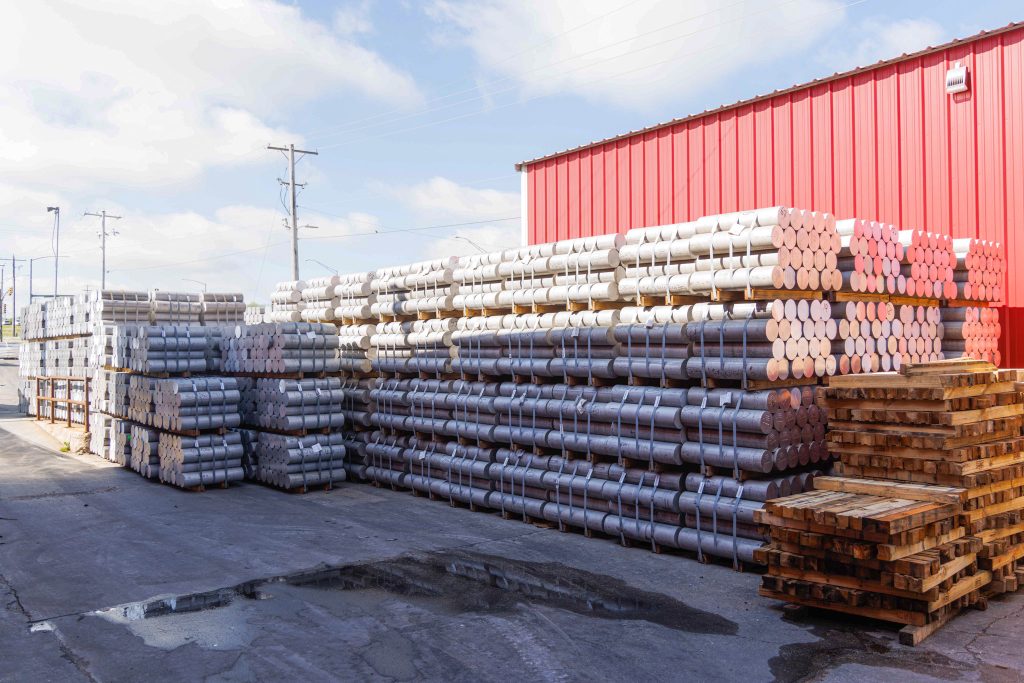
Related Reading
This article builds on our previous discussion, Why Buyers Are Reassessing Imported Metal as Tariffs Take Effect in 2026, which explores how recent tariff changes are impacting pricing, sourcing, and supply chains across the industry.
Know Where Your Products Come From
One of the most important steps buyers can take is understanding the origin of the products they purchase.
Final assembly location doesn’t always tell the full story. Major components and raw materials may still be sourced internationally, potentially exposing products to tariff-related cost increases.
Buyers should ask:
- What percentage of the product is imported?
- Where do major components and materials originate?
- Are any components sourced from regions heavily affected by tariffs?
Having visibility into the supply chain helps prevent unexpected costs later.

Ask Better Questions
Organizations are also having more detailed conversations with suppliers about pricing stability and future risk.
Consider asking:
- Do you anticipate future tariff-related price increases?
- How are you working to maintain pricing stability?
- What strategies are you using to reduce supply chain risk?
- How could lead times be affected if conditions change?
The answers can provide valuable insight beyond the initial quote.

Plan Ahead
Many are taking proactive steps to reduce exposure to future cost increases, including:
- Increasing use of domestic suppliers
- Sourcing key components locally when possible
- Purchasing critical materials earlier
- Building inventory strategies around longer-term forecasts
These decisions aren’t driven by short-term reactions—they’re designed to create greater predictability in an uncertain market.
The Bottom Line
Tariff impacts often appear gradually as inventory turns over and new orders move through the supply chain. By the time cost increases become obvious, options may be more limited.
The best positioned companies moving forward will be those that understand their supply chains, ask the right questions, and plan ahead before pricing pressure fully reaches their business.